
Is Medical Microneedling Effective for Hyperpigmentation in Bath?
By Exclusive Medical Aesthetics
Medically reviewed by Mareks Makejevs
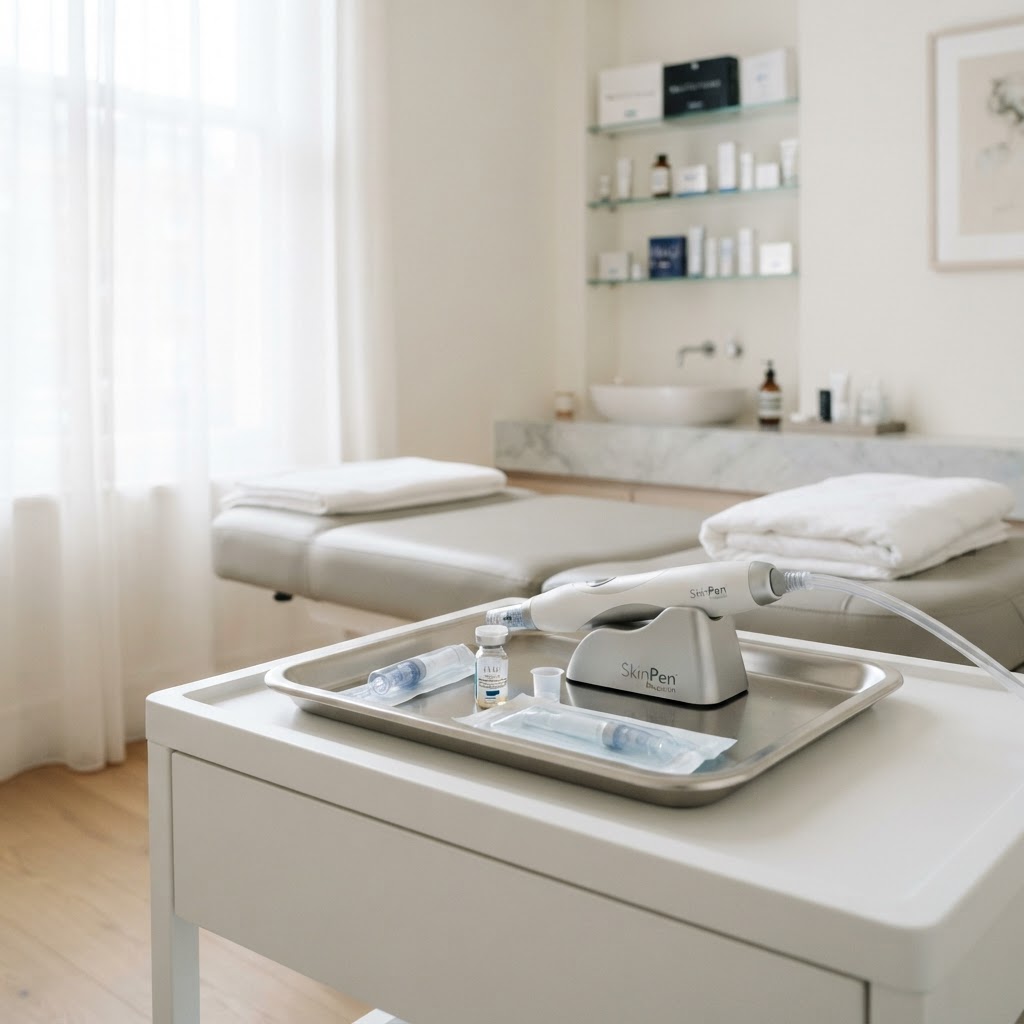
Addressing uneven skin tone requires a targeted approach. We explore the science behind medical microneedling and whether it is an effective solution for managing hyperpigmentation within a clinical setting in Bath.
Medical microneedling is a highly effective treatment for improving the appearance of hyperpigmentation when performed by qualified professionals using sterile, medical-grade equipment. By creating controlled micro-injuries in the dermis, the procedure stimulates the skin's natural regenerative processes, which can help to break up pigment clusters and promote a more even skin tone over a series of sessions. However, effectiveness varies depending on the type and depth of the pigmentation, necessitating a professional assessment to determine the most appropriate treatment path.
Is medical microneedling effective for hyperpigmentation in Bath?
For patients visiting a clinic in Bath, the question of whether medical microneedling is effective for hyperpigmentation is a common one. Hyperpigmentation refers to patches of skin that have become darker than the surrounding area, often caused by sun exposure, hormonal fluctuations, or post-inflammatory marks following acne or injury. Because these pigment deposits often reside at different depths within the skin layers, a one-size-fits-all approach is rarely successful.
Medical microneedling, also known as collagen induction therapy, works by using a device equipped with fine needles to create precise, microscopic punctures in the skin. This triggers a wound-healing cascade, releasing growth factors that stimulate collagen and elastin production. When targeting hyperpigmentation, the mechanical disruption of these channels can help facilitate better penetration of evidence-based topical brightening agents while simultaneously encouraging cellular turnover. At Exclusive Medical Aesthetics, we recognise that for patients in Bath, finding a treatment that addresses both texture and tone is a priority. While it is an effective tool, it is essential to understand that it is often used as part of a broader, multi-modal skincare strategy rather than a standalone miracle cure.
Understanding the mechanism of action
The physiological response to medical microneedling is the cornerstone of its utility in pigment management. When the needles penetrate the skin, they trigger the release of various cytokines and growth factors, such as platelet-derived growth factor (PDGF) and transforming growth factor-beta (TGF-beta). This encourages the remodelling of the extracellular matrix. Regarding pigmentation, the procedure aids in the reduction of excessive melanin by fostering a more regulated environment for melanocytes—the cells responsible for pigment production.
It is vital to distinguish between medical-grade microneedling performed in a clinical setting and at-home rollers. Clinical devices are precision-engineered to reach specific depths required to stimulate a biological response without causing unnecessary tissue damage. By consistently wounding the skin in a controlled manner, we encourage the replacement of damaged, pigmented cells with healthier, more evenly toned tissue. This process, however, requires time and multiple sessions, as the skin must navigate several cycles of renewal.
Suitability and contraindications for your skin
Not every skin concern is suited to microneedling, and a face-to-face assessment is the only way to confirm if the treatment is right for you. Generally, microneedling is suitable for many skin types, but individuals with active acne, rosacea, or open wounds in the area to be treated are usually not candidates. Furthermore, certain skin conditions that involve systemic inflammation or those currently undergoing intensive dermatological treatments may need to pause before considering this procedure.
For those with darker skin tones, caution is mandatory. While microneedling can be effective, it carries a theoretical risk of post-inflammatory hyperpigmentation (PIH) if the treatment intensity is poorly managed or if the skin is not adequately prepared. A practitioner must assess your skin history, potential for scarring, and overall health to ensure the depth and frequency of treatment do not exacerbate the issue. If you are currently using active prescription-strength retinoids or topical bleaching agents, these may need to be adjusted under clinical guidance before starting your sessions.
Realistic expectations and treatment cycles
Managing expectations is perhaps the most important part of the clinical process. Hyperpigmentation is a persistent concern that often requires a committed, long-term approach. Patients should not expect a total resolution of their pigment after a single session. Most clinical protocols involve a series of sessions spaced several weeks apart to allow the skin the necessary time to heal and regenerate.
It is also important to note that microneedling alone is frequently insufficient for deep-seated melasma or severe sun damage. Many effective treatment plans combine microneedling with professional-grade chemical peels, consistent use of prescribed depigmenting agents, and a strict daily sun protection regimen. Without a high-SPF, broad-spectrum sunscreen applied religiously, the results of any pigment-lightening treatment can be rapidly undone by UV exposure. Considering treatment in Bath? Exclusive Medical Aesthetics offers personalised consultations to discuss your skin concerns, suitability and treatment options.
Risks, side effects, and professional safety
Safety is our primary concern. While microneedling is considered a minimally invasive treatment, it is not without risks. Common side effects include transient erythema (redness), mild swelling, and minor pinpoint bleeding or sensitivity immediately following the procedure. These effects are typical and generally subside within a few days.
However, there are risks if the procedure is performed by untrained individuals. These include infection, scarring, or an adverse reaction to the serums used during the treatment. By visiting a doctor-led clinic, you benefit from a high standard of hygiene and clinical oversight. We strictly adhere to sterile protocols to ensure that the needles remain single-use and the environment is controlled, which significantly minimises the chance of complications. Any persistent discomfort, unusual crusting, or signs of infection must be reported to your practitioner immediately for assessment.
Aftercare and the importance of professional support
Post-procedure care is critical to the efficacy and safety of your treatment. Following microneedling, the skin is in a vulnerable, permeable state. You will be advised to avoid harsh exfoliants, active acids, or heavy makeup for the first 48 to 72 hours. Protecting the skin from the sun is non-negotiable, as the newly stimulated cells are highly sensitive to UV radiation.
We provide specific post-treatment instructions tailored to your skin's unique needs, which may include the use of soothing, non-comedogenic hydration and growth-factor-enriched serums to support the healing process. Following these instructions is just as important as the procedure itself; failing to protect the skin post-treatment can lead to increased inflammation, which in some cases may worsen the very pigmentation you are attempting to address.
Investing in your skin health in Bath
When choosing a clinic in Bath for your aesthetic needs, prioritize those with robust safety standards and a commitment to evidence-based practice. Microneedling requires a deep understanding of facial anatomy and skin physiology. It is not merely about moving a device across the skin; it is about assessing the skin's threshold for trauma and adjusting the treatment protocol accordingly.
Your journey to improved skin tone is an investment in your long-term skin health. While it is natural to want quick results, the most durable outcomes are achieved through steady, professionally managed sessions. We encourage patients to view their skin health as a continuous journey, supported by both in-clinic treatments and a consistent, medical-grade home care routine that addresses the root causes of their hyperpigmentation.
Book a consultation
Every treatment starts with a face-to-face assessment with a qualified practitioner to confirm suitability and plan your results.