
Medical Grade Skincare vs High Street: What is the Difference?
By Exclusive Medical Aesthetics
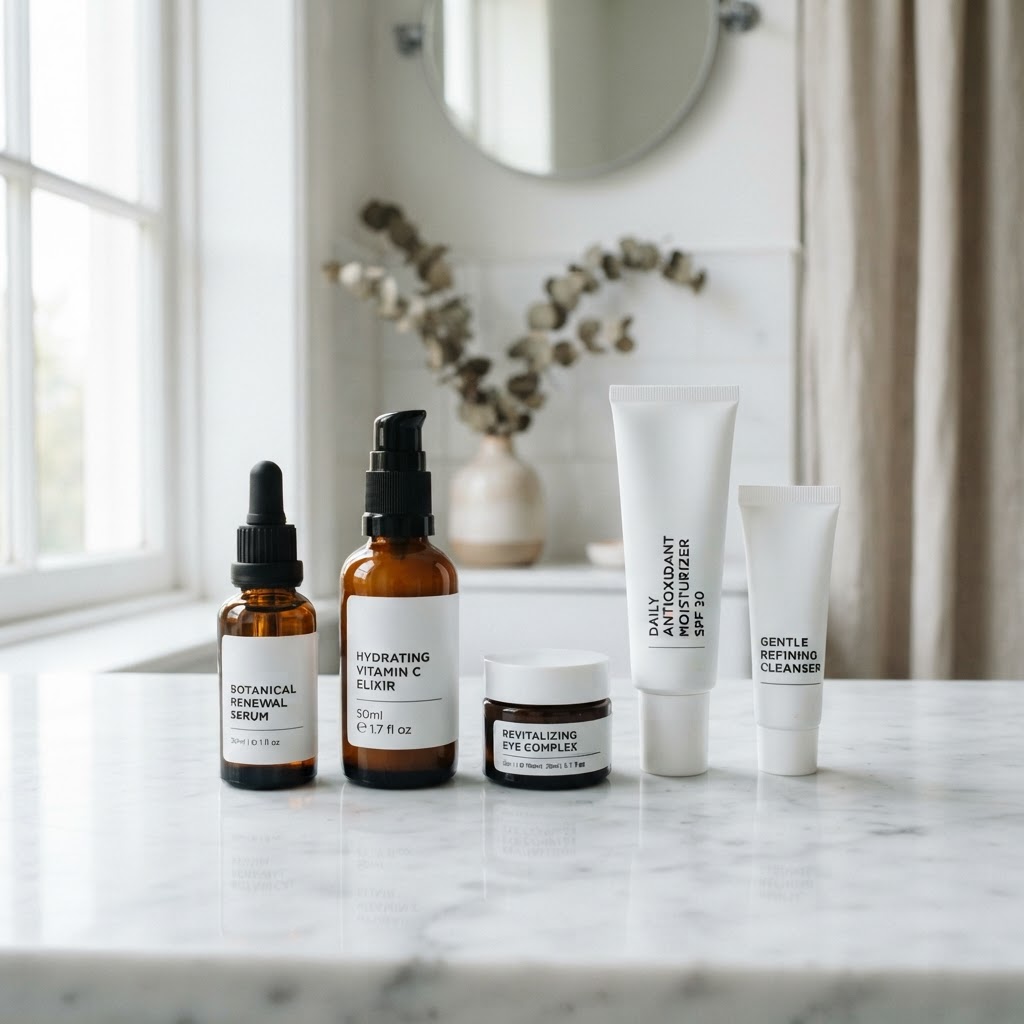
Understand the critical differences between over-the-counter products and clinical-grade formulations to ensure your skin receives the specific, active support it requires for long-term health and rejuvenation.
The fundamental difference when comparing the benefits of medical grade skincare vs high street products lies in the concentration of active ingredients, the molecular stability of the formulations, and the regulatory oversight involved in their production. While high street products are generally designed for mass appeal and safety for all skin types, medical-grade options are formulated to penetrate the stratum corneum more effectively, addressing specific dermatological concerns at a cellular level under the guidance of a practitioner. Understanding these distinctions is essential for anyone looking to move beyond maintenance and into genuine skin health optimisation.
The core distinction in formulation and delivery
High street skincare products, often referred to as cosmetic-grade, are typically designed to target the surface of the skin. They are mass-produced to ensure that they can be used safely by a broad range of consumers without professional guidance. Consequently, the active ingredients—such as retinol, vitamin C, or exfoliating acids—are usually present in lower concentrations to minimise the risk of adverse reactions or irritation.
In contrast, medical-grade skincare often contains highly stable, bioactive ingredients that have been clinically tested for efficacy. These products often utilise advanced delivery systems, such as encapsulation or specific pH-balanced vehicles, which allow the actives to reach the deeper layers of the epidermis where collagen production and cellular turnover occur. This is not about the product being 'stronger' in an unsafe way, but rather about the sophistication of the formula. A high street moisturiser might hydrate the surface, but a medical-grade corrective serum is designed to influence the skin’s underlying biological processes, such as melanin regulation or matrix metalloproteinase inhibition.
Understanding concentration and bioavailability
When discussing the benefits of medical grade skincare vs high street, we must address the issue of bioavailability. High street skincare is limited by the shelf-life requirements of retail distribution; products must remain stable in a warehouse or on a shelf for months or years. This often necessitates the use of heavy preservatives and filler ingredients that can dilute the potency of the actives.
Medical-grade skincare is frequently dispensed through professional clinics, allowing for higher concentrations of actives that might otherwise degrade quickly. This ensures that when the product is applied, the ingredients are in their most potent, bioavailable state. For instance, L-ascorbic acid (vitamin C) is notoriously unstable. Medical-grade formulations often pair this with ferulic acid or tocopherol in specific ratios that preserve the integrity of the vitamin until it is applied to your skin, whereas many high street alternatives may lose their effectiveness shortly after the bottle is opened.
The importance of professional skin assessment
One of the most significant differences between these two tiers of skincare is the gatekeeper of the product. High street brands rely on consumer self-selection, which often leads to the 'trial and error' approach, where individuals purchase products based on marketing promises rather than clinical necessity. This can be ineffective at best and irritating at worst.
Medical-grade skincare is intended to be part of a tailored regimen. A qualified practitioner evaluates your skin type, concerns, and tolerance levels before recommending a specific protocol. This assessment is vital because active ingredients can interact with other treatments you may be receiving, such as chemical peels or laser therapy. By using a product that has been selected for your unique skin barrier function, you are far more likely to see the results you desire while avoiding unnecessary inflammation or compromised skin health. Considering treatment in Bath? Exclusive Medical Aesthetics offers personalised consultations to discuss your skin concerns, suitability and treatment options.
Ingredients that define the clinical difference
When looking at the ingredients list, the differences become stark. Medical-grade retinoids, for example, are distinct from the retinol derivatives found in cosmetic creams. While cosmetic retinol must be converted multiple times within the skin to reach its active form (retinoic acid), medical-grade options are often more efficient, providing a consistent stimulation of fibroblasts.
Furthermore, medical-grade skincare focuses heavily on barrier repair and cellular health, utilising ceramides, peptides, and antioxidants in concentrations that are supported by peer-reviewed literature. High street brands often prioritise fragrance, texture, and sensory experience. While these features make a product pleasant to use, they do not necessarily contribute to skin health and can, in some instances, trigger dermatitis or sensitivity in those with compromised skin barriers.
Managing expectations and long-term results
It is important to maintain realistic expectations when transitioning to medical-grade skincare. These products are not 'magic bullets' that provide overnight transformations. Rather, they are tools for long-term dermatological maintenance. When you commit to a medical-grade regimen, you are engaging in a process of cumulative improvement.
Over the first few weeks, you may experience a 'purging' phase or mild peeling, which is often a sign of increased cellular turnover. Unlike high street skincare, which primarily works to hydrate the surface, medical-grade products are working to change the way your skin cells function. This requires patience and consistency. It is rarely enough to use a single serum in isolation; results are almost always cumulative and dependent on the synergy of your full daily routine, which may include cleansers, corrective serums, moisturisers, and broad-spectrum sun protection.
Safety and contraindications
Medical-grade skincare is potent, which means it carries a higher potential for side effects if used incorrectly. Common side effects can include erythema (redness), dryness, flaking, or stinging upon application. These are usually expected during the adjustment period, but they must be monitored.
Contraindications are also more prevalent. For example, specific medical-grade actives may be contraindicated for those who are pregnant or breastfeeding, or for individuals with conditions like rosacea, eczema, or psoriasis. A face-to-face assessment with a qualified practitioner is essential to confirm that your chosen products are safe for your specific physiological circumstances. Never attempt to use clinical-strength products without professional guidance, as you risk disrupting your skin’s microbiome or damaging the lipid barrier.
Cost and clinical consultation value
While the upfront cost of medical-grade skincare may appear higher than high street alternatives, it is important to consider the 'cost per effective application.' High street skincare often results in wasted money spent on products that do not work or cause irritation, leading to a graveyard of half-used bottles.
When you invest in a curated, medical-grade routine at a clinic like Exclusive Medical Aesthetics, you are paying for the quality of the ingredients, the stability of the science behind them, and the expert knowledge that ensures you are using exactly what your skin needs. The cost reflects the research and development required to bring clinical-strength actives to the market, as well as the professional time spent ensuring your regimen is effective and safe. By avoiding the purchase of unnecessary or ineffective products, many patients find that a refined, evidence-based routine is more cost-effective in the long run.
Book a consultation
Every treatment starts with a face-to-face assessment with a qualified practitioner to confirm suitability and plan your results.