
What Happens in an Aesthetic Consultation?
By Exclusive Medical Aesthetics
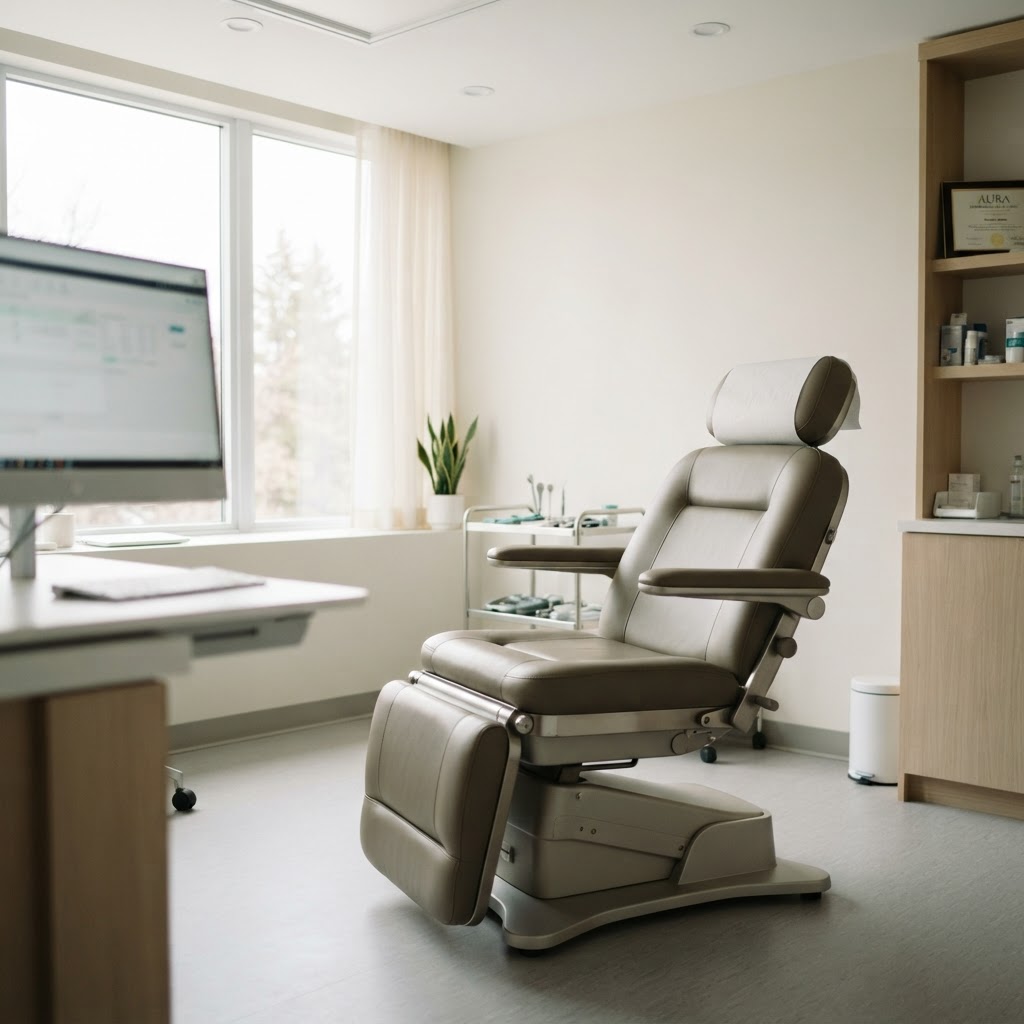
A professional aesthetic consultation involves a comprehensive medical review, skin health assessment, and an honest discussion regarding your goals, suitability, and potential treatment outcomes to ensure a safe, evidence-based approach to your aesthetic care.
An aesthetic consultation is a structured, clinical meeting where a qualified practitioner reviews your medical history, examines your skin, and assesses your suitability for non-surgical treatments. The process ensures that any intervention is medically appropriate, aligns with your aesthetic goals, and is delivered with a clear understanding of potential risks, benefits, and realistic outcomes.
Understanding what happens in an aesthetic consultation
When you arrive for your appointment, the initial phase focuses on information gathering. Your practitioner will ask for a detailed medical history, including any current medications, known allergies, or previous cosmetic procedures you have undergone. This stage is critical, as it identifies contraindications—conditions or medications that might make specific treatments unsafe or ineffective. For example, some skin conditions or autoimmune disorders may preclude you from certain types of dermal fillers or laser therapies.
Following the medical review, the practitioner will perform a physical examination of your face and skin. This may involve using specialized lighting or digital imaging technology to assess skin texture, pigmentation, laxity, and underlying structure. Unlike a high-street beauty consultation, this is a diagnostic approach. The aim is not simply to suggest a quick fix, but to understand the underlying causes of your concerns, whether they are related to volume loss, muscle-driven expression lines, or skin health issues like sun damage or rosacea. Considering treatment in Bath? Exclusive Medical Aesthetics offers personalised consultations to discuss your skin concerns, suitability and treatment options at /book.
The importance of realistic expectations
One of the most vital components of the process is the discussion surrounding your expectations. It is a common misconception that aesthetic treatments can replicate surgical results or change the fundamental structure of your face. A responsible practitioner will talk you through what a treatment can realistically achieve and, equally importantly, what it cannot. They will explain the limitations of non-surgical procedures and ensure you have a clear picture of the likely timeframe for seeing results.
Transparency is essential here. If a treatment is unlikely to meet your aesthetic objectives, a reputable clinic will inform you. This prevents the disappointment that occurs when a patient chooses a procedure based on filtered images or unrealistic advertising. By managing expectations early, you are empowered to make a decision that prioritises your long-term satisfaction rather than a short-term, potentially mismatched result.
What the evidence says
Modern aesthetic medicine is increasingly rooted in evidence-based practice. Research published in journals like the Journal of Cosmetic Dermatology underscores the necessity of a systematic approach to patient assessment. The evidence suggests that successful outcomes are not merely a result of the product used, but of the thoroughness of the pre-treatment analysis. Clinical studies show that practitioners who invest time in mapping facial anatomy, understanding skin quality, and screening for psychological factors—such as body dysmorphic disorder—achieve significantly safer and more aesthetically pleasing results.
Furthermore, the literature highlights that patient education is a key determinant of satisfaction. When patients understand the physiological process of how a product like a dermal filler or a skin-rejuvenation treatment works, they report higher satisfaction scores. The evidence dictates that consultations should be educational sessions, providing the patient with the knowledge to distinguish between marketing claims and physiological reality. This data-driven approach is what separates clinical aesthetics from high-street beauty services.
Suitability, contraindications and safety
Safety is the primary metric by which a consultation is measured. Your practitioner will assess your anatomy to ensure that the proposed treatment is suitable for your unique facial structure. They will check for signs of active infection, inflammation, or scarring that could increase the risk of complications.
Every procedure carries inherent risks, whether it is bruising, swelling, or more significant issues such as vascular occlusion. A professional consultation provides the space to discuss these potential side effects in detail. You will be informed about how the clinic manages these risks and what protocols are in place should an adverse event occur. This honesty regarding safety is not intended to discourage you from treatment, but to ensure that you are fully informed of the commitment involved in aesthetic medical care.
Choosing a clinic in Bath
Selecting a provider in Bath requires discernment. Look for clinics that are led by medical professionals, such as doctors or nurse prescribers, who operate under stringent regulatory standards. A professional clinic will not pressure you into booking a procedure on the day of your consultation. Instead, they will encourage you to take time to reflect on the information provided.
Review the clinic’s approach to post-treatment care. An ethical practice provides clear instructions on how to manage your recovery, how to contact them if you have concerns after your treatment, and schedules follow-up appointments to assess the success of your procedure. When you research clinics in Somerset, consider whether the environment feels clinical, hygienic, and professional. The quality of your initial consultation is often a direct reflection of the quality of care you will receive during and after your treatment.
Aftercare and the long-term journey
An aesthetic consultation concludes with a discussion about the post-treatment journey. You should leave the clinic with a clear understanding of what to expect in the hours, days, and weeks following your procedure. This includes advice on skincare, limitations on physical activity, and signs of complications that require immediate medical attention.
Beyond individual treatments, an expert practitioner will often work with you to create a long-term plan. Aesthetic medicine is rarely a one-off event; it is a journey of maintenance. By viewing your face as a whole rather than focusing on a single wrinkle or area of concern, a practitioner can guide you towards treatments that maintain your skin health over several years. This might involve a combination of medical-grade skincare and periodic, subtle aesthetic interventions that build upon each other, rather than chasing a temporary transformation.
Frequently asked questions
Is the consultation a guarantee that I will have treatment?
No. A consultation is a medical assessment. If the practitioner determines that a treatment is not appropriate for your specific needs, your health history, or your anatomy, they will decline to treat you. Their primary duty of care is your safety.
Do I need to bring anything to my appointment?
It is helpful to bring a list of your current skincare products, any supplements, and a record of your medical history or current medications. Arriving without makeup can also help the practitioner perform a more accurate assessment of your skin.
How long does an aesthetic consultation usually take?
Typically, a comprehensive consultation lasts between 30 and 60 minutes. This allows sufficient time to discuss your medical history, perform a thorough physical assessment, and answer all your questions without feeling rushed.
Can I have my treatment immediately after the consultation?
While some clinics may offer same-day treatment for simple procedures, many professional clinics advise a 'cooling-off' period. This allows you to digest the information, research the treatment, and make a fully informed decision without the pressure of being in the clinic environment.
Book a consultation
Every treatment starts with a face-to-face assessment with a qualified practitioner to confirm suitability and plan your results.